Source Garment Inkjet Plotter for CAD Drafting, Textile Marking, and Prototyping
Compare 30 garment inkjet plotter models from Chinese manufacturers with varying print widths and speeds. These machines support CAD paper and kraft paper for factory applications, offering automatic feeding and dual-spray printing options for efficient production workflows; compare the available evidence and request quotations based on your requirements.
Key considerations
Products List





Comprehensive Sourcing Guide
Garment Inkjet Plotter Sourcing Guide
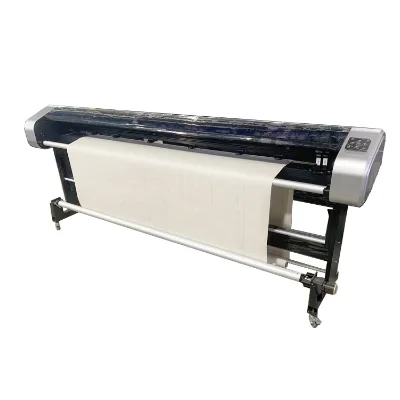
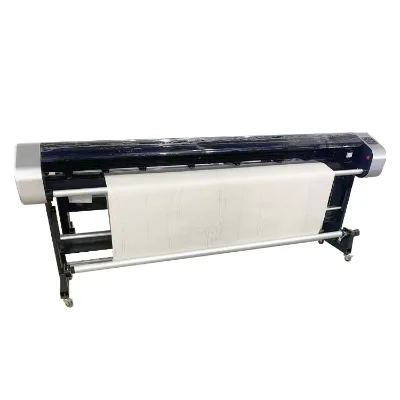
Buyers evaluating garment inkjet plotters must first distinguish between general-purpose wide-format printers and specialized CAD plotting systems designed for fabric marking. The observed product data indicates a strong focus on industrial applications, specifically utilizing news CAD paper and kraft paper with feed widths ranging from 190cm to 250cm. This suggests the equipment is primarily intended for large-scale pattern cutting, textile marking, and industrial drafting rather than direct-to-garment printing on finished apparel. Procurement teams should verify if the specific plotter model supports the required media thickness and width for their specific garment production lines before proceeding with technical deep dives.
The market signals reveal a diverse range of models, from the A-185-2 to the A-245-2, each offering distinct print widths and machine dimensions. Buyers must carefully cross-reference the listed print interface capabilities, such as USB2 and TCP network ports, with their existing factory infrastructure to ensure seamless integration. The presence of dual-spray nozzle types and varying print speeds, ranging from 90 to 110 square meters per hour, indicates that performance varies significantly between models. Sourcing decisions should prioritize machines that align with the specific throughput requirements of the garment manufacturing facility to avoid bottlenecks in the pre-production workflow.
Product Scope and Observed Listing Signals
The available inventory highlights a clear segmentation based on maximum feed width and machine physical dimensions, which directly impacts floor space requirements. Listings show models with feed widths of 190cm, 230cm, and up to 250cm, alongside machine widths spanning from 248cm to 308cm. Buyers must calculate the necessary installation footprint, accounting for the single-feed or automatic feeding systems, to ensure the plotter fits within their designated production area. The variation in physical specifications suggests that procurement strategies must be tailored to the specific spatial constraints of the garment factory layout.
Observations of the product listings also reveal a focus on specific paper types, including 48-100g news CAD paper and kraft paper, which are critical for pattern making and marking. The data indicates that these machines are optimized for media types ranging from 40-120g/m², supporting both standard and slightly heavier materials used in industrial garment applications. Buyers should verify that the selected plotter can handle the specific weight and texture of the media they intend to use, as the feeding mechanism and nozzle type, such as the HP45A, are calibrated for these specific material properties.
Technical Specifications to Verify
When assessing technical capabilities, the print resolution and speed are paramount for maintaining production efficiency and pattern accuracy. The observed data specifies resolutions between 150-160dpi and print speeds ranging from 70 to 110 square meters per hour, depending on the spray configuration. Buyers must determine if the dual-spray or four-spray nozzle configurations meet their quality standards for fine line work and color consistency in garment marking. It is essential to validate that the claimed speed does not compromise the precision required for complex garment patterns or intricate design details.
Interface compatibility and software support are equally critical for integrating the plotter into a modern digital workflow. The listings confirm support for Hpgl, Plt, and Dxf formats, along with communication via TCP network ports and computer connections. Procurement teams should verify that the equipment panel, which may offer touch buttons in Chinese or English, aligns with the language preferences of their operators. Ensuring that the plotter accepts the specific CAD software files used in the design department is a necessary step to prevent workflow interruptions and data translation errors.
Compliance and Safety Documentation
Safety and operational compliance are foundational requirements for any industrial machinery deployed in a garment factory environment. The observed product data mentions an ISOCE certification, which buyers should request to verify against current international safety standards for electrical and mechanical equipment. It is crucial to confirm that the power supply requirements, typically AC220V at 50-60Hz, match the local electrical infrastructure to prevent equipment damage or safety hazards. Buyers must also ensure that the machine meets local occupational health and safety regulations regarding noise levels and ventilation for ink usage.
Documentation regarding the machine's condition and origin is vital for establishing liability and warranty coverage. The listings indicate that units are supplied as "New" and originate from Mengcheng, Anhui Province, China, often packed in wooden cases for transport. Procurement teams should verify the specific packaging standards to ensure the equipment arrives without damage, especially given the precision nature of the internal components. Additionally, buyers must confirm that the supplier provides comprehensive user manuals and safety guidelines in the local language to ensure proper operation and maintenance by factory staff.
Cost Drivers and Commercial Terms
The pricing structure for garment inkjet plotters is heavily influenced by the machine's physical dimensions, print width, and advanced features like automatic feeding systems. The observed price range spans from 1 to 91,350 USD, reflecting the significant variance between basic models and high-specification industrial units. Buyers should analyze the cost per square meter of print capacity to determine the most economical option for their specific volume requirements. Understanding the relationship between machine width, print speed, and price is essential for budgeting and justifying the capital expenditure to stakeholders.
Commercial terms, including minimum order quantities and lead times, vary significantly across the observed listings. The data shows an MOQ range from 1 to 200 units, suggesting flexibility for smaller operations but potentially higher per-unit costs for bulk orders. Buyers must negotiate clear terms regarding shipping, as the wooden case packaging and machine dimensions will impact freight costs and logistics planning. It is also advisable to clarify warranty periods and the availability of spare parts, such as ink cartridges and nozzles, to ensure long-term operational continuity without unexpected downtime.
Supplier Qualification and Quality Control
Supplier qualification requires a rigorous assessment of the manufacturer's ability to deliver consistent quality and technical support. The observed origin of the products is consistently listed as Mengcheng, Anhui, China, indicating a specific manufacturing hub for these industrial plotters. Buyers should verify the supplier's track record in exporting similar machinery and their capacity to handle after-sales service, including remote troubleshooting and on-site maintenance. Establishing a direct line of communication with the manufacturer can help mitigate risks associated with technical failures and ensure timely resolution of operational issues.
Quality control protocols must be strictly enforced to ensure the plotter meets the specified performance standards before shipment. Buyers should request detailed test reports or factory acceptance test results that verify the print width, speed, and nozzle functionality against the advertised specifications. The presence of certifications like ISOCE suggests a baseline commitment to quality, but independent verification is recommended to confirm compliance. Implementing a pre-shipment inspection process can help identify any manufacturing defects or deviations from the agreed-upon technical parameters, ensuring the delivered equipment performs as expected.
Long-Term Procurement Checks
Sustaining operational efficiency requires a proactive approach to maintenance and consumable management for garment inkjet plotters. Buyers should establish a schedule for regular nozzle cleaning and calibration to maintain the high print speeds and resolution observed in the product data. The compatibility of specific ink cartridges, such as the HP/6145A/B types mentioned, must be verified to ensure a steady supply chain for ongoing operations. Developing a relationship with the supplier for bulk consumable purchases can help stabilize costs and reduce the risk of supply disruptions.
Future-proofing the procurement strategy involves monitoring technological advancements and compatibility with evolving design software. As garment design trends shift towards more complex digital patterns, the plotter's ability to support new file formats and higher resolutions becomes increasingly important. Buyers should evaluate the upgrade potential of the current models, such as the A-245-2 or JS6-A-225-2, to ensure they can adapt to changing production needs without requiring a complete equipment replacement. Regular reviews of the equipment's performance against production targets will help identify when upgrades or replacements are necessary to maintain competitiveness.
FAQs
What is the maximum print width available for these plotters?
The maximum print width available reaches 250 centimeters on specific models like the A-245-2. Other configurations offer widths of 190 centimeters or 230 centimeters depending on the machine series selected for your production needs.
Which nozzle types are compatible with these printing machines?
These machines utilize HP45A type nozzles for high-quality output. Some advanced units feature double spray or four spray configurations using HP 6145A/B ink cartridges to ensure consistent performance across various media types.
Can the equipment handle different paper thicknesses and types?
Yes, the system supports media ranging from 40 to 120 grams per square meter. It is suitable for CAD mark carrier paper, kraft paper, and news CAD paper within the specified middle thickness material range for optimal results.
What is the typical print speed for dual-spray models?
Dual-spray models operate at speeds between 90 and 110 square meters per hour. Specific configurations may achieve up to 110 square meters per hour while maintaining high resolution and two-way printing capabilities for efficiency.
Where are these garment inkjet plotters manufactured and shipped from?
These units originate from Mengcheng in Anhui Province, China. The products are packed in wooden cases and shipped from this location to ensure safe transport and compliance with standard international shipping protocols for industrial equipment.
What file formats and interfaces does the plotter support?
The interface supports HP-Gl instructions, Plt format files, and CAD software compatibility. Communication occurs via TCP network ports, allowing direct connection to computers or routers for seamless data transfer and automated printing workflows.